Staff
The Shibuya Higashi Archives employs, in addition to the Director, a staff of twelve. They are responsible for accessioning, research, conservation, display, communications, development, distribution, as well as the initial response to unexplained occurrences.
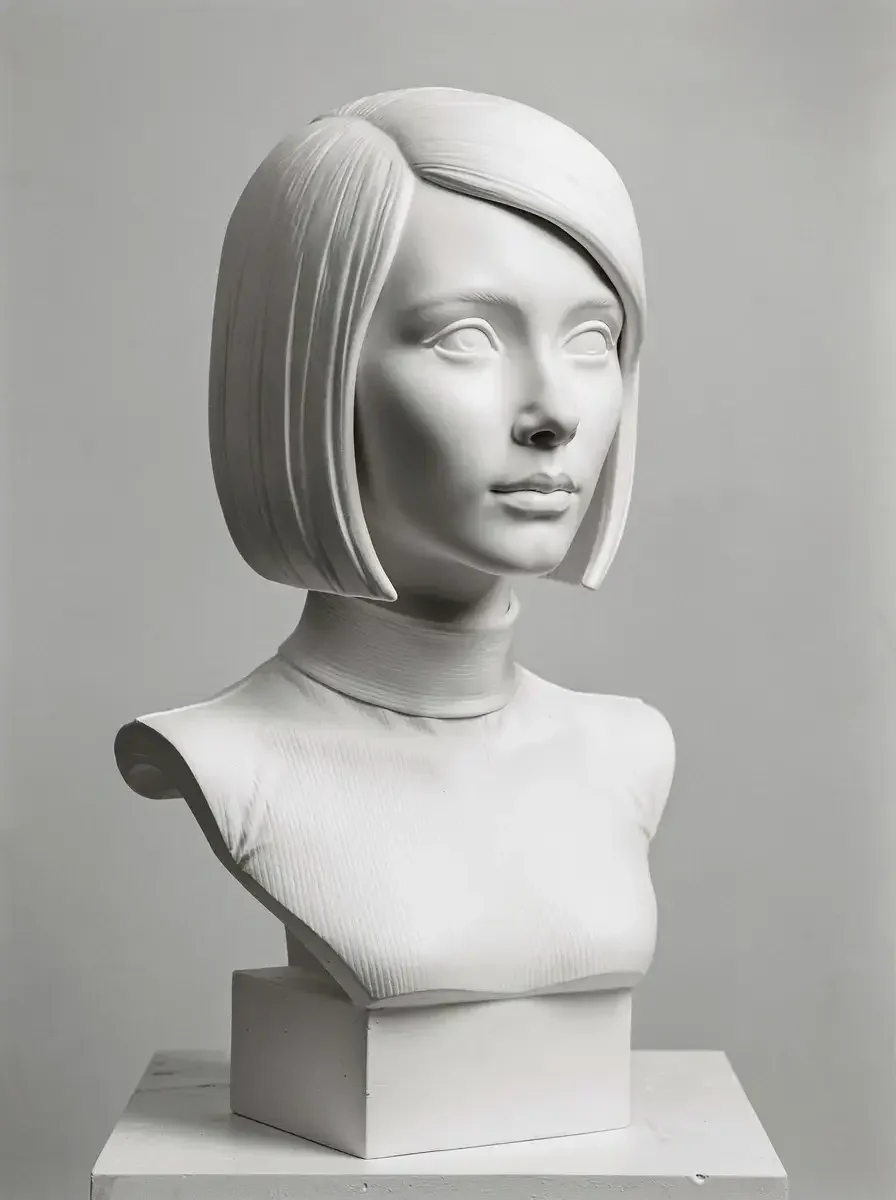
All of them are taciturn; toward the collection, they are unfailingly sincere. The staff of the Archives have been confirmed to be plaster casts. This is at once a portrait and a form of employment.
Should you encounter them on the premises, please offer a small, quiet bow. Even if it is not returned, they are on duty.
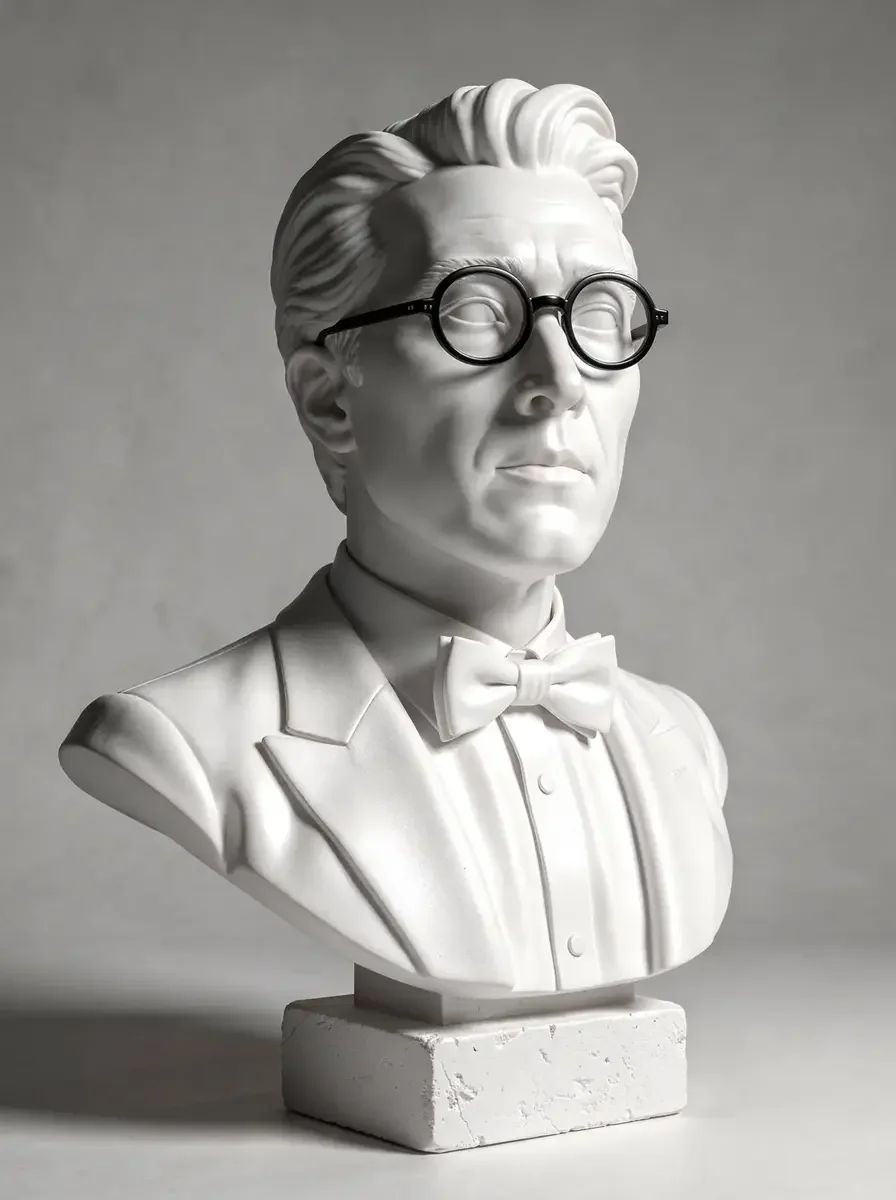
Director
Director
Director of the Shibuya Higashi Archives. He watches over the whole, to keep the Archives from becoming too easy to explain.
Staff
A staff of twelve.

Oversees provenance, exhibition design, and interpretation across the collection, shaping how the Archives accessions and presents its works. Believes the task is not only to classify, but to prepare a quiet place where a work may begin to speak again.
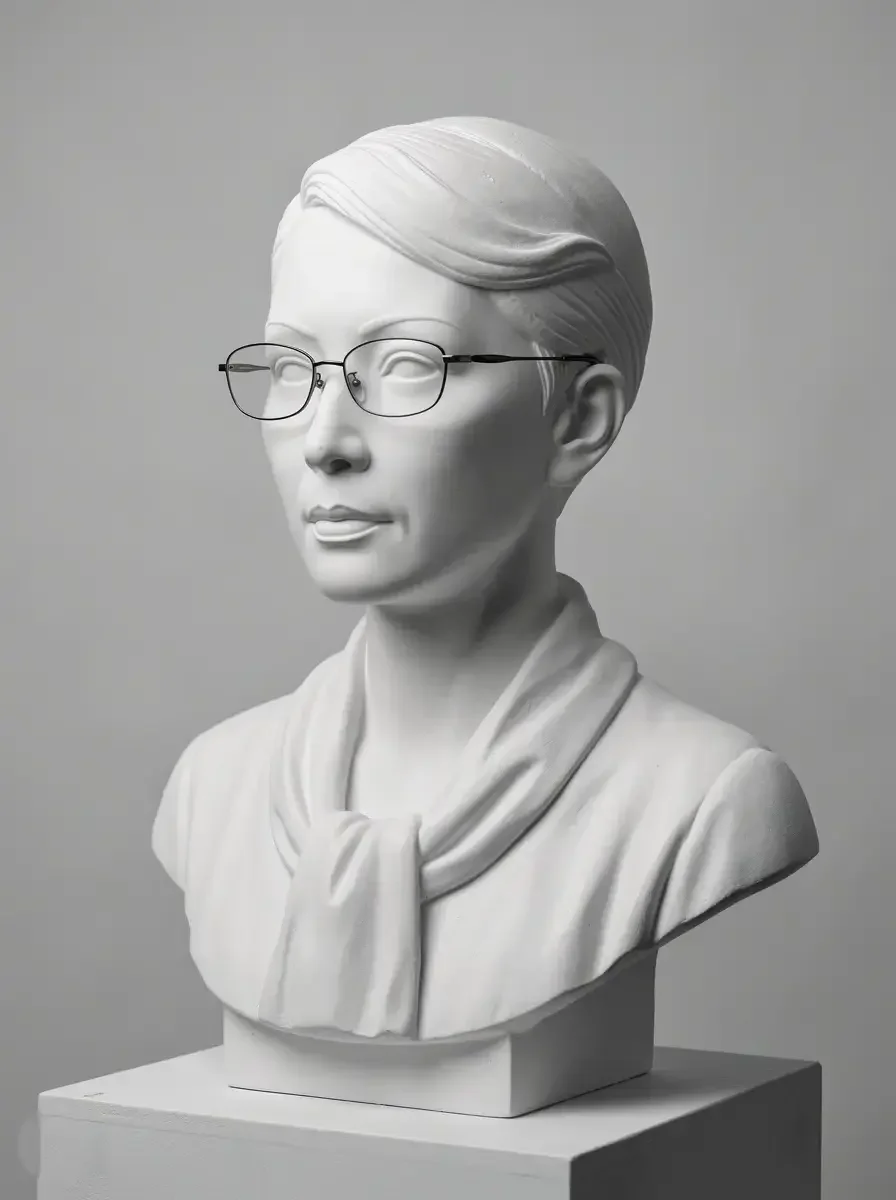
Responsible for Western art, modern art, and relations with institutions abroad. Through source verification, cataloguing, and the supervision of external texts, she ensures that the freedom of the Archives is always exercised with respect. On the subject of ambiguous attributions, she is somewhat strict.

Supervises the letters, hiragana, and onomatopoeia of the permanent exhibition, Jirinpa. Regards a letter not only as a vessel of meaning but as a being with shape, sound, motion, and presence. Watches, daily, how the forty-eight hiragana make their rounds, and which words they bring with them.
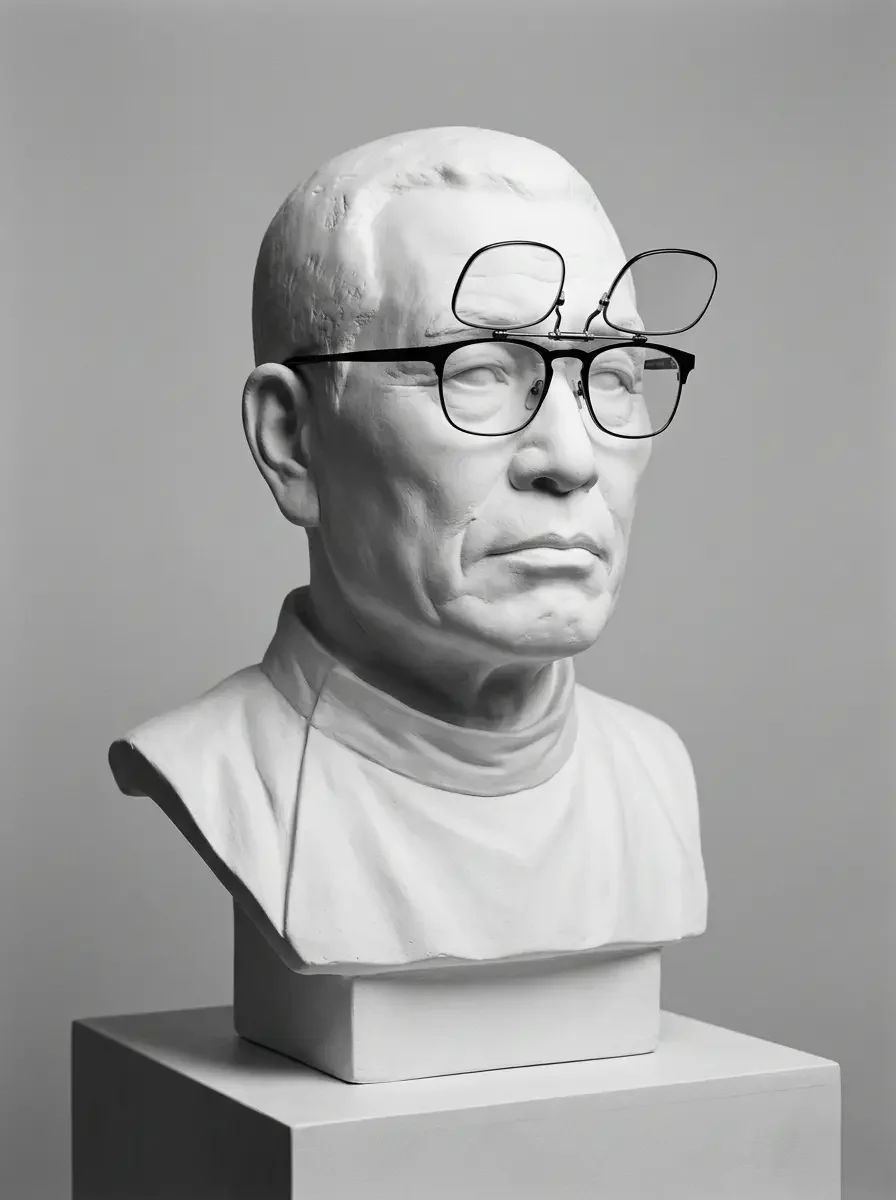
Responsible for correction, upscaling, color adjustment, and the preparation of archival data. Holds that conservation does not make a work excessively beautiful, but brings it to a state where it looks natural in the viewing environments of the present. To tell the wounds that should remain from the veils that should be tended, and from the silences best left untouched — that is the first step of conservation.
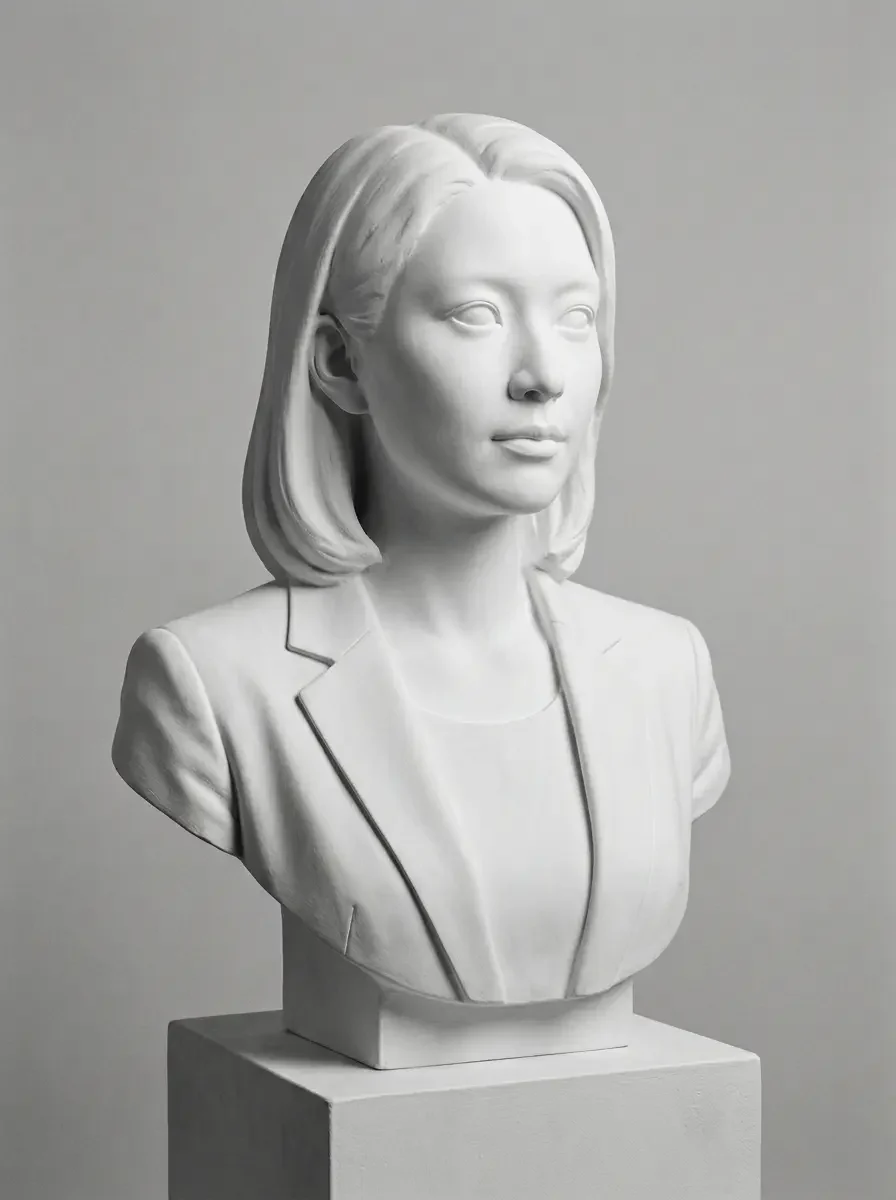
Handles exhibition information, press releases, social media, and visitor guidance. Conveys the activities of the Archives in words that are clear, but never too clear. Day by day, she adjusts the language so that the Archives’ slightly curious undertakings arrive naturally, as a museum’s should.
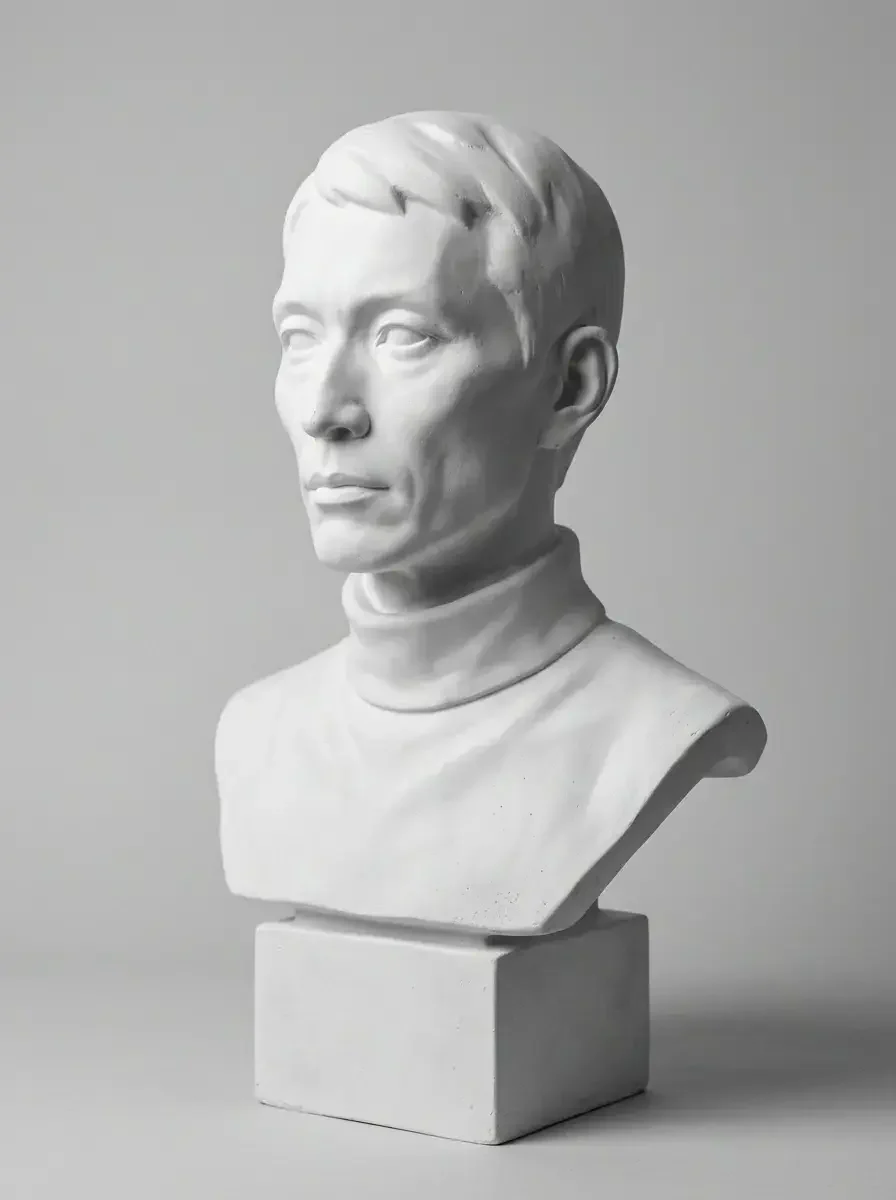
Directs all expression across the exhibitions, website, app, and shop goods of the Archives. Designs the look and tone of the institution so that the dignity of a museum and the freedom of a depository that exists only on the internet can stand together. Holds that what the Archives requires is not a joke, but a polite anomaly.
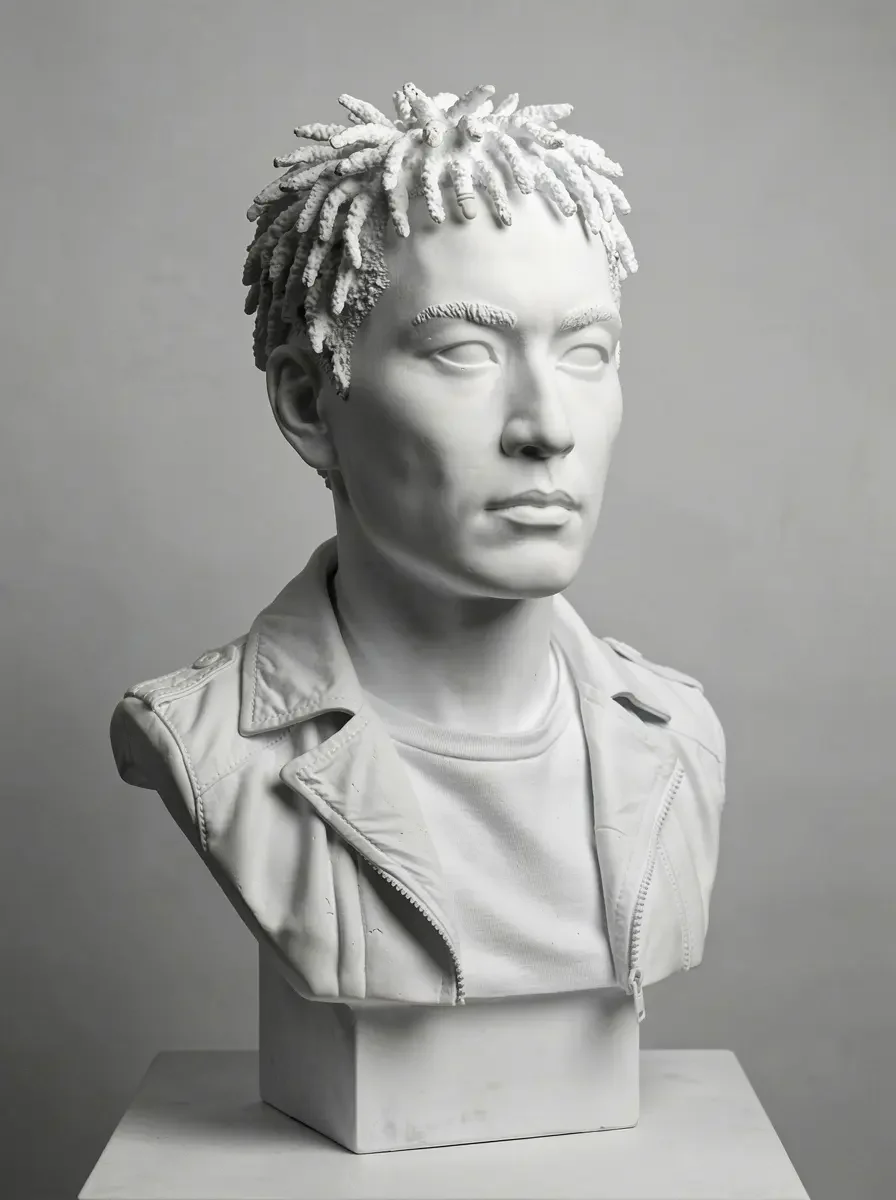
Responsible for exhibition visuals, graphics, and interface composition. Develops the visual order in which hiragana, Rinpa screens, the black three-dimensional space, and onomatopoeia can coexist without hindering one another. Attentive to margins, hierarchy, the movement of the eye, and the depth of black, he prepares an environment in which the visitor advances naturally into the interior of the display.
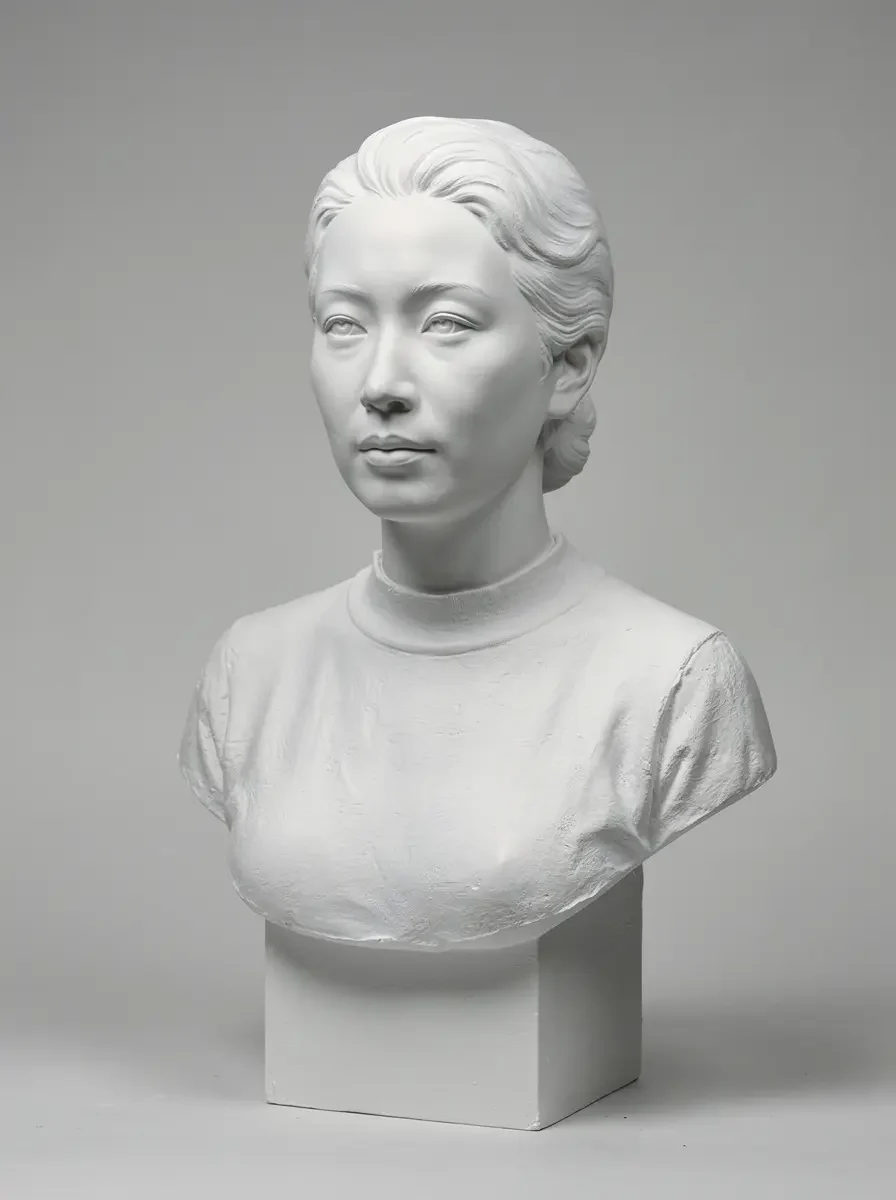
Designs the fine details of the app, exhibition graphics, and the articles of the museum shop. Attends to the small differences of letterform, line, margin, and texture, so that the experience of the exhibition continues quietly beyond the screen. A designer who knows the strength of not standing out too much.

Designs the light of the three-dimensional exhibition space. In a museum with no physical rooms, light is part of the architecture, and sets the distance between visitor and work. He thinks less about how to illuminate than about how to keep the darkness, preparing the air of the moment just before a work becomes visible.
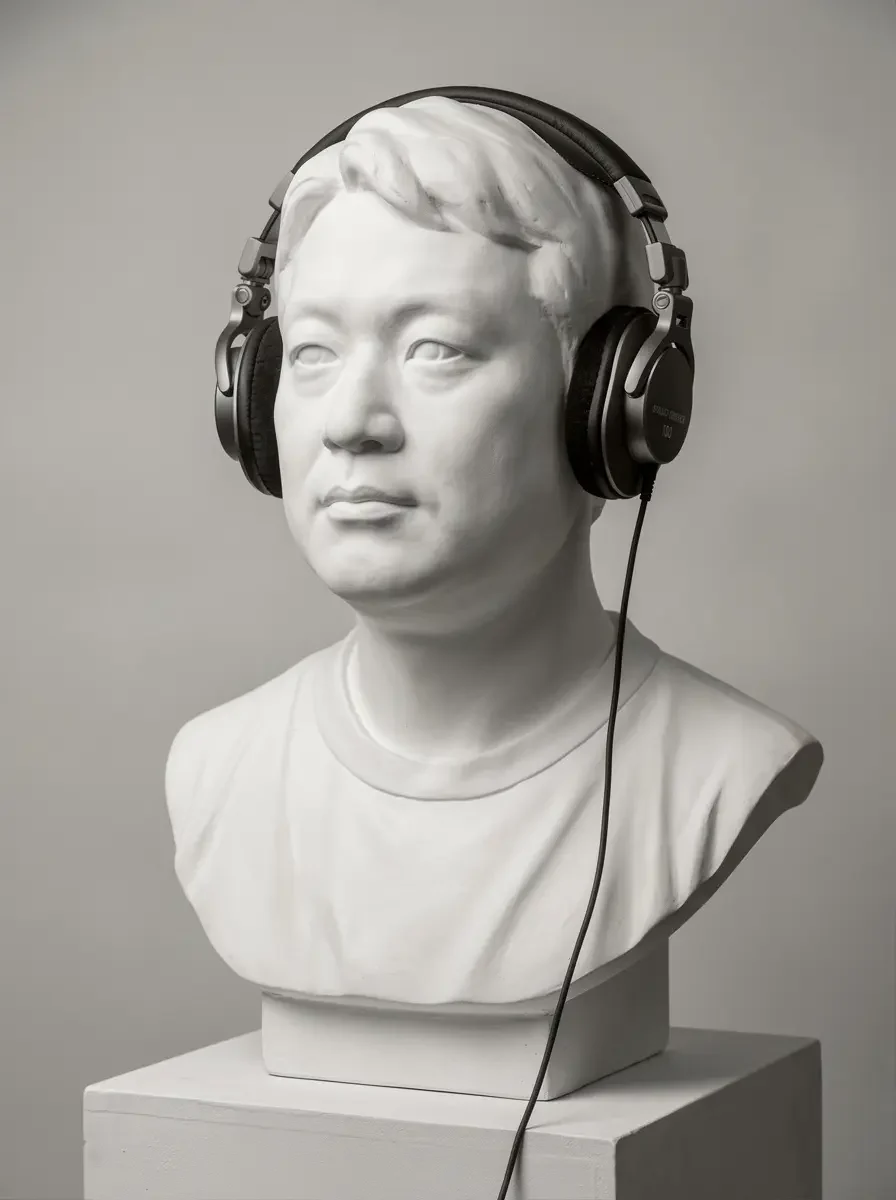
Responsible for the sound of the permanent exhibition, Jirinpa. Works with the sonic presence of onomatopoeia, the resonance of words, and the silence that drifts through the rooms. In this museum, deciding when nothing should sound is as much a part of the display as sound itself.

Develops the official exhibitions app. The jet-black space, the cylinder of revolving Rinpa screens, the counter-rotating hiragana, the approach of the chosen character, the drifting onomatopoeia — all of it he sustains from the technical side, designing first for a touch that feels natural and a visit without confusion.
Plans and manages the museum shop and its distributions. Delivers the afterglow of each exhibition into daily life — as catalogues, posters, cards, household objects, and digital works. Selling, too, she believes, is a small form of display by which works and people meet.