

Just because something is not on view does not mean it does not exist.
The Shibuya Higashi Archives is a museum that appears on no map. Working from high-resolution images that museums around the world have released into the public domain, our conservators prepare each work with care, recompose it with respect, and preserve and present it as a new accession. The permanent exhibition is Jirinpa — an exhibition of Rinpa painting, hiragana, and Japanese onomatopoeia.
About
A museum that begins by putting things away.
The Shibuya Higashi Archives is not a place that merely shows works. It is a facility for preparing works to speak once more, for keeping them quietly, and for opening the exhibition rooms when needed.
The collection is built from public-domain and CC0 high-resolution images released by museums around the world. Each work is examined individually — resolution, color, tonal range, margins, the condition of any damage — and corrected and prepared by a conservator.
Founded on respect for the works, their makers, and the institutions that keep them, the Archives also undertakes recompositions of a boldness possible only in digital space. What was flat becomes a space; letters move; words float; and an exhibition room rises in the palm of the visitor’s hand.
Permanent Exhibition
The first exhibition, and the permanent one.
JIRINPA — Hiragana, Rinpa, onomatopoeia
In a jet-black three-dimensional space, Rinpa folding screens travel slowly around the inner wall of a cylinder, while forty-eight hiragana keep circling the other way within. Touch a single character and it becomes the protagonist; onomatopoeia then emerge from within the screens.
Jirinpa is not an exhibition in which Japanese is read. It is an exhibition in which one enters the shapes of the language, touches its sounds, and gazes at its presence.
Hiragana are forms before they are signs; onomatopoeia are sounds that ring in the body before they are meanings. Upon these we have laid the Rinpa school’s ornament and its sense of time, and accessioned the whole as our permanent exhibition.
Conservation
To conserve is not to erase the past.
In the conservation studio of the Archives, publicly released images are corrected, upscaled, prepared, and preserved anew, day after day.
What matters to us is not making a work look unnaturally new, but bringing it to a state in which it can breathe easily in the viewing environments of the present. There are wounds that should remain. There are veils that should be tended. There are silences that must not be touched.
Official App
Our exhibition rooms are inside the app.
The Archives’ official exhibitions app is the exhibition room itself.
The Archives has no physical entrance, no reception desk, no ticket counter, no lockers. Instead, the moment the app is opened, an exhibition space takes form in the palm of the visitor’s hand. Alongside the permanent exhibition, Jirinpa, the Archives will continue to mount special exhibitions at regular intervals.
Staff
The Director and a staff of twelve.
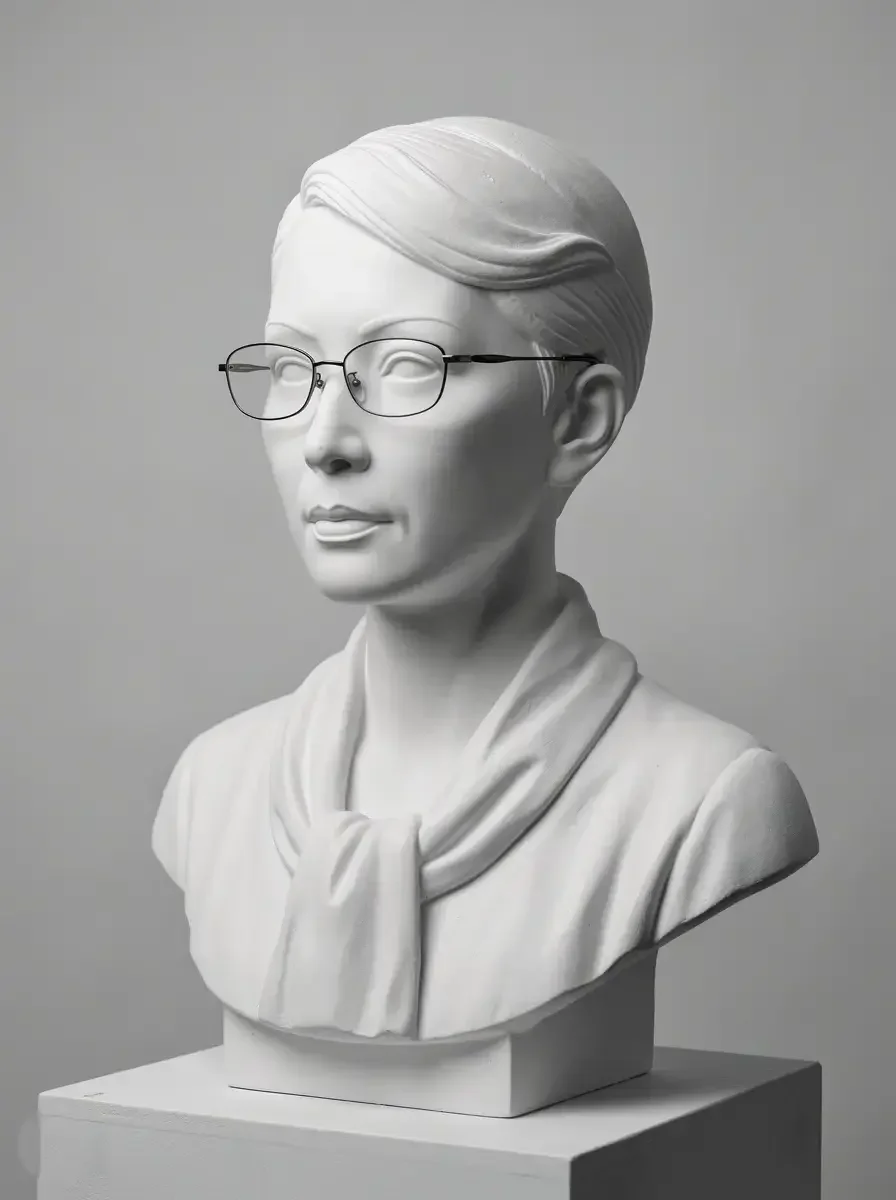
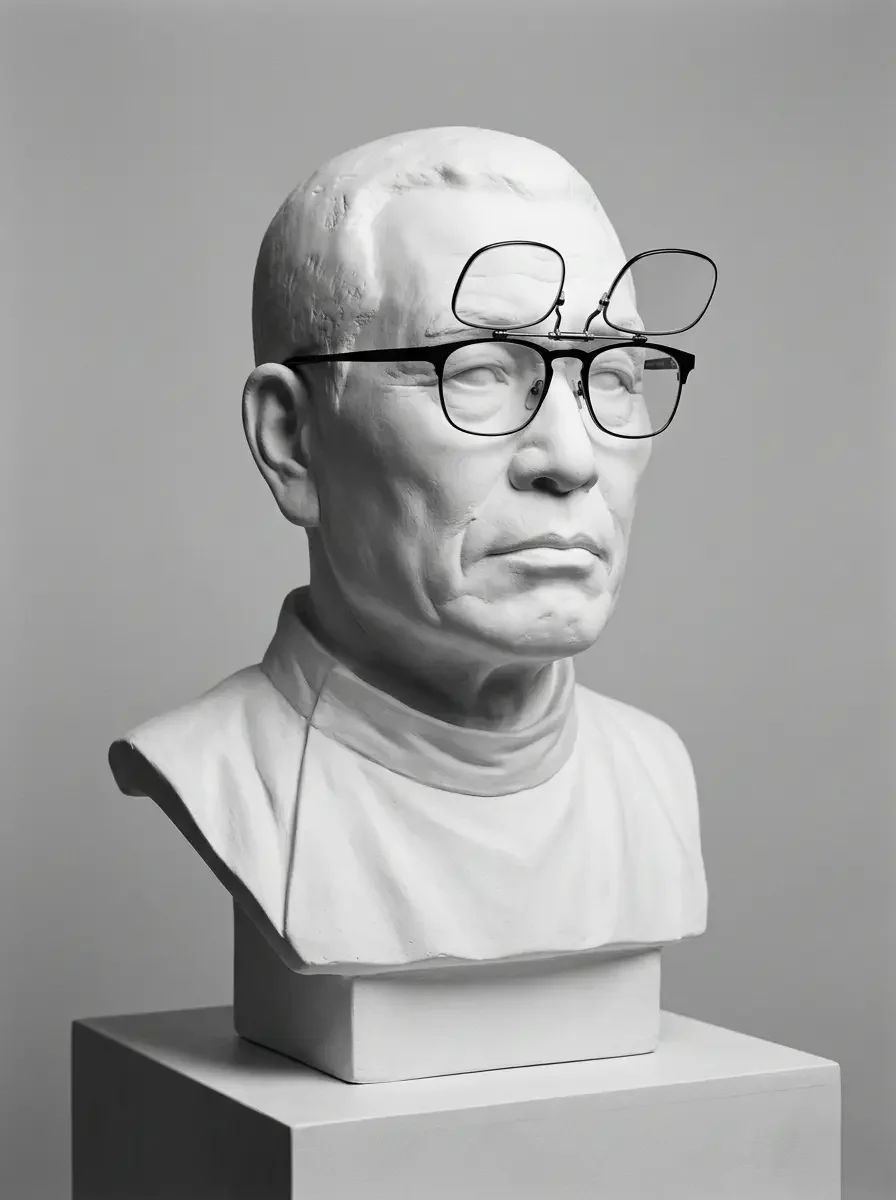
They are responsible for accessioning, research, conservation, display, communications, development, distribution, as well as the initial response to unexplained occurrences. All of them are taciturn; toward the collection, they are unfailingly sincere. The staff of the Archives have been confirmed to be plaster casts.


Museum Shop
After the exhibition, a small accession.
The museum shop of the Archives carries articles related to the afterglow of its exhibitions, its collection, and its conservation records.
Posters, postcards, catalogues, stickers, digital content — and beautiful things whose use has not been determined. They are not mere souvenirs, but small forms of display for carrying the experience home into daily life.